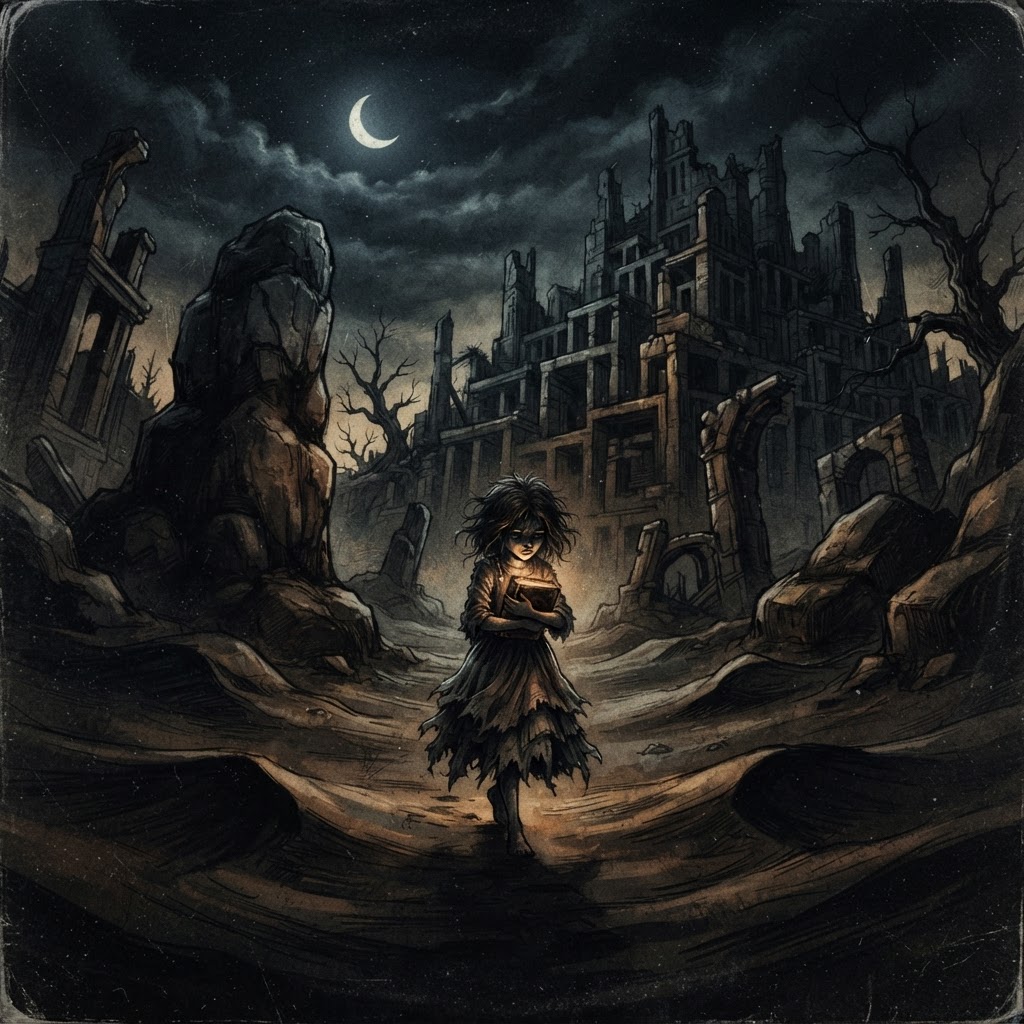
Gwen, or the Book of Sand
Watching this film feels like wandering through a half-remembered dream where the colors have been left out in the sun for too long. Jean-François Laguionie crafts a post-apocalyptic landscape that avoids the usual grit, opting instead for a soft, gouache-painted world that feels fragile and ancient. The production design is striking, particularly in the way the desert is littered with oversized, discarded household objects like giant eyeglasses and utensils that dwarf the nomadic characters. This choice creates a sense of scale that is both surreal and deeply unsettling. The framing and composition emphasize this isolation, often placing the characters against vast, empty horizons that make their journey feel impossibly small. I found the pacing to be deliberate, almost hypnotic, which might frustrate those looking for a traditional adventure, but it serves the dreamlike logic of the story perfectly. The sound design is equally sparse, relying on ambient whispers and wind to fill the silence rather than a heavy, intrusive score. One specific shot of the Makou, a mysterious entity that drops objects from the sky, captures the film's eerie tone with a single, silent descent. It is a quiet, haunting experience that lingers in the mind, much like the image of a lone figure walking across a vast, shifting dune of sand.
From the Archive
View All
The Land Before Time
1988 · Animation
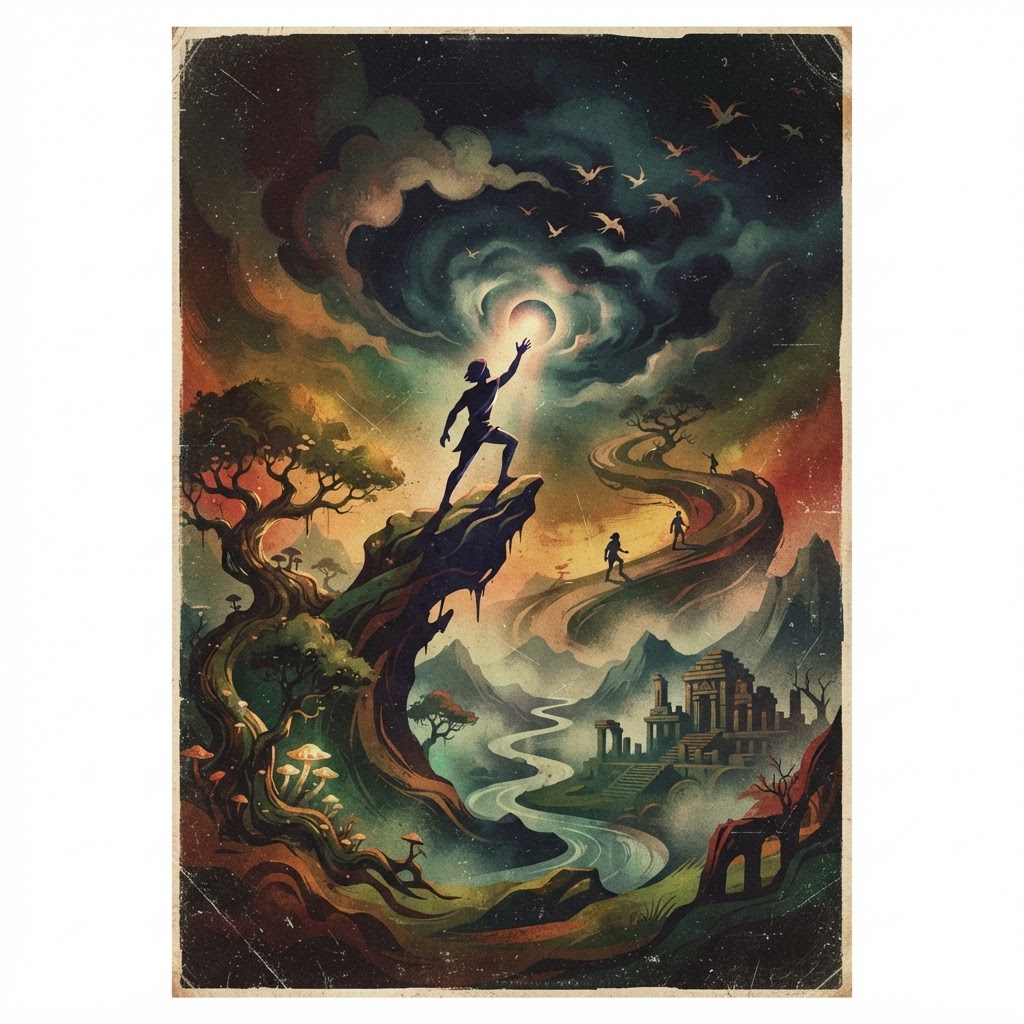
The Rescuers
1977 · Animation, Adventure
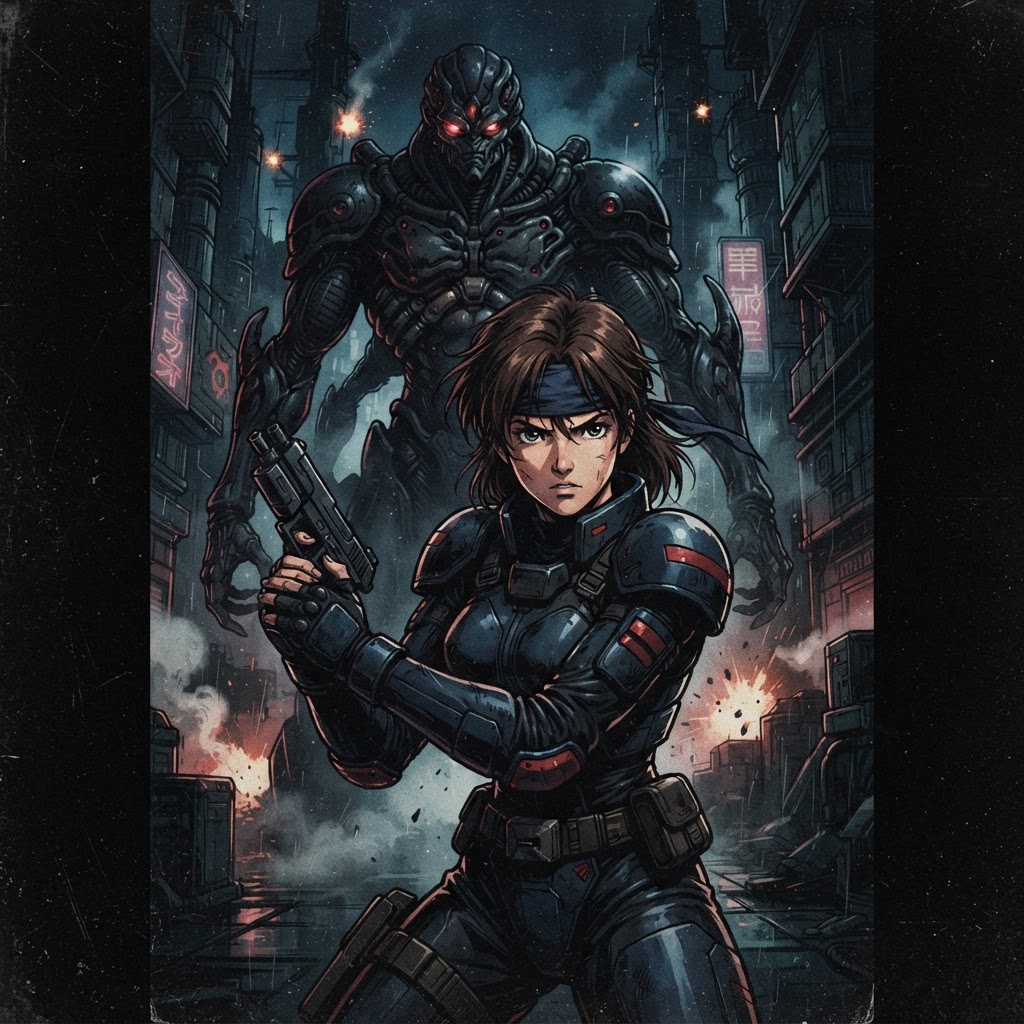
Iria: Zeiram The Animation
1994 · Animation, Sci-Fi, Action
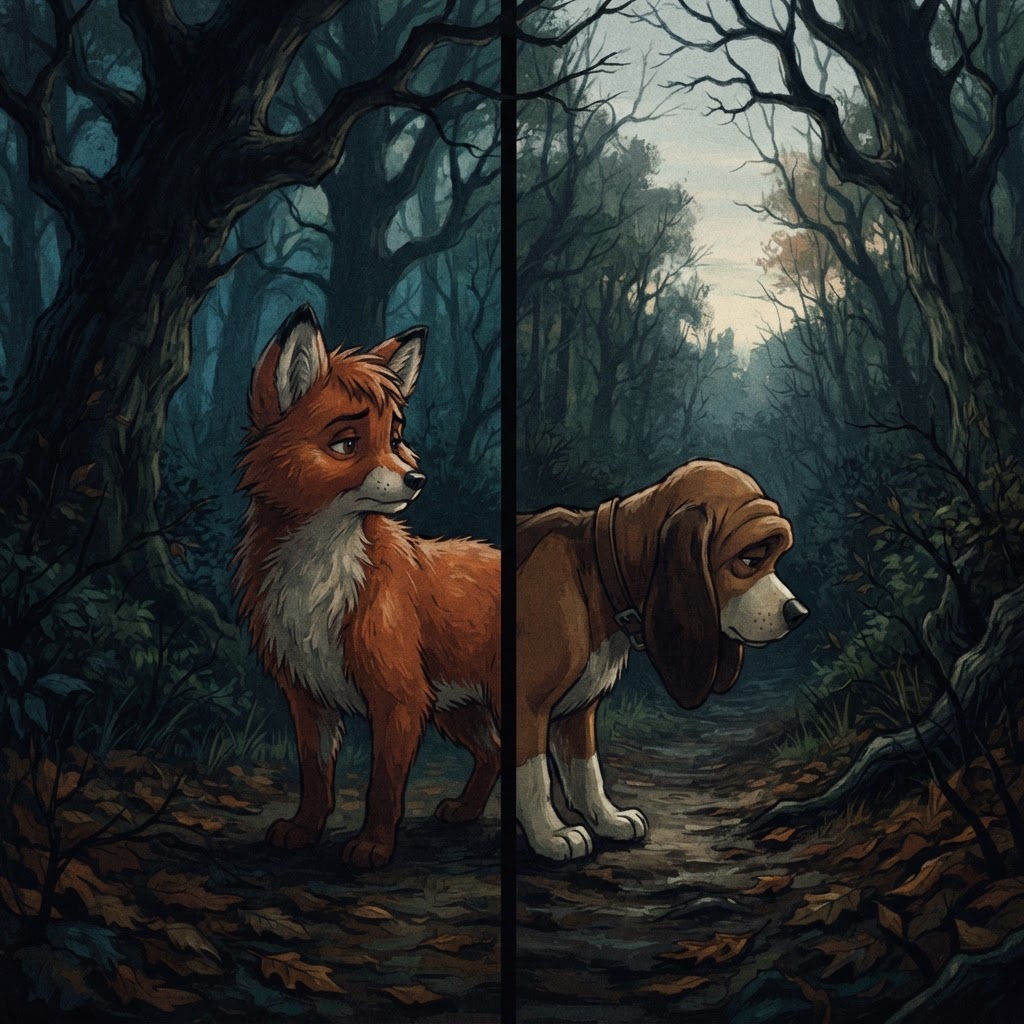
The Fox and the Hound
1981 · Animation
Akira
1988 · Animation

The Last Unicorn
1982 · Animation, Fantasy

Gandahar
1988 · Animation

Twice Upon a Time
1983 · Animation

The Iron Giant
1999 · Animation
Bells are Ringing
1960 · Musical Comedy
Explore by Genre
Twenty genres. Four decades. One personal voice.